Disclosure: As an Amazon Associate, I earn from qualifying purchases. Learn more
Last Updated on October 30, 2026 by Mark Jase
For compact engines and smaller oil pans, the EXMIATOV 1155X and Enhon 1155X are 200W options, while the Fexhull and Orceed 1160X offer 400W for applications that need more output. A thin layer of frost can turn an ordinary morning into a difficult start.
Choosing the right magnetic engine block heater means looking beyond wattage and checking the actual mounting surface, thermostat control, and intended engine size. Some magnetic heaters work well for small tractors, snow blowers, and occasional diesel starts, but they are not substitutes for every factory-installed electric engine block heater.
You also need to consider how much warmth your engine requires and whether the heater can remain securely positioned. Focus on metal compatibility, appropriate heating capacity, and electrical safety before deciding which model belongs in your winter equipment setup.
EXMIATOV 1155X and Fexhull 1160X offer thermostat-controlled magnetic heating, with 200W and 400W options for compatible tractor, diesel, and vehicle surfaces.
For Compact Engines
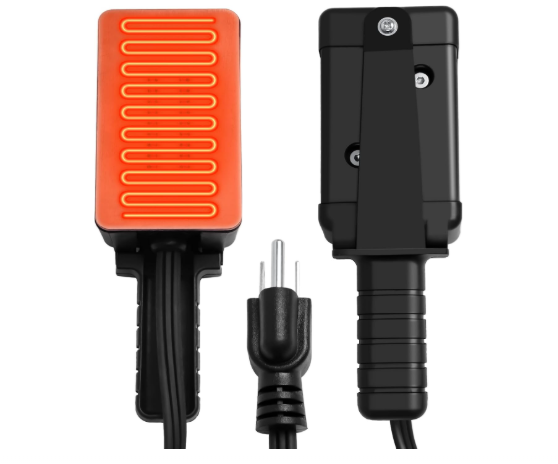
EXMIATOV 1155X
- 200W heating capacity
- Built-in thermostat control
- 43-inch power cord
For Larger Equipment
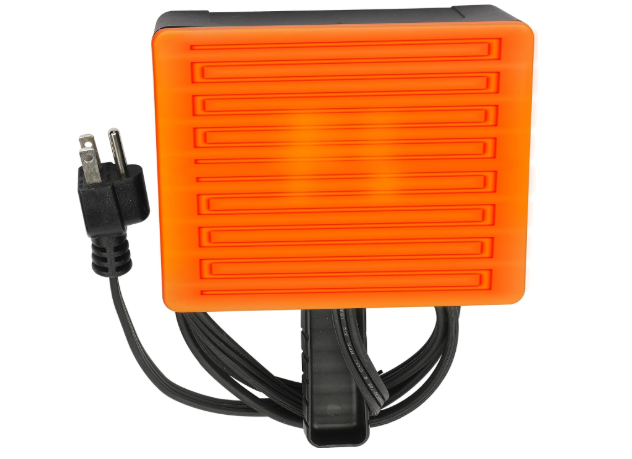
Fexhull 1160X
- 400W heating capacity
- Automatic thermostat operation
- Heat-resistant handle
Quick Picks By Use
- EXMIATOV 1155X – Compact engines and smaller oil pans | View on Amazon
- Fexhull 1160X – Higher-wattage surface heating | View on Amazon
- Orceed 1160X – Thermostat-controlled equipment heating | View on Amazon
- Enhon 1155X – Smaller two-to-five-quart systems | View on Amazon
How Magnetic Block Heaters Warm Engine Oil
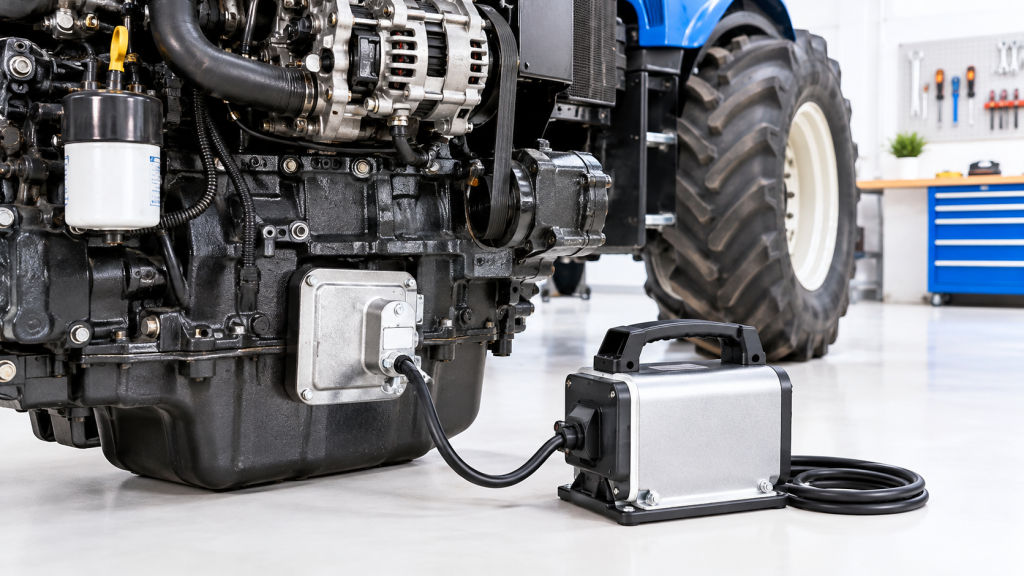
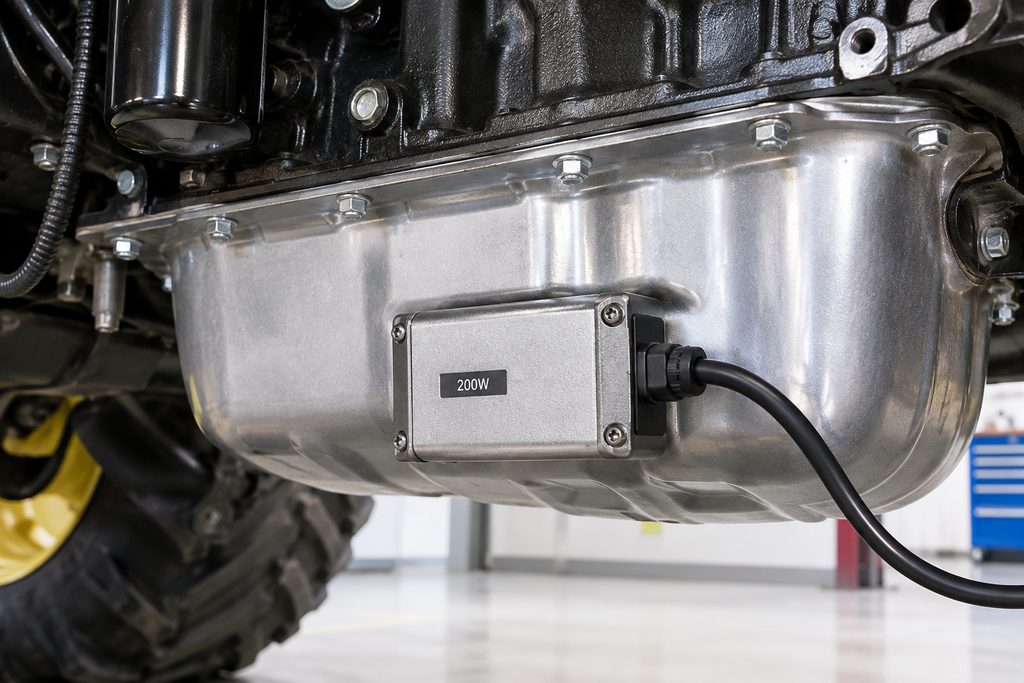
A magnetic engine heater produces electrical resistance heat that transfers through its contact surface into the metal component underneath. When attached to a suitable oil pan, it warms the pan and gradually transfers heat to the engine oil.
This localized warming can help reduce the thickness of cold engine oil, allowing it to circulate more easily after startup. That can be useful when an engine sits unused outdoors during freezing weather.
Unlike an immersion-style electric engine block heater, a magnetic model does not sit inside the coolant passages. It warms the exterior of the engine or another compatible metal component instead.
That difference matters when choosing a heater for a diesel engine. A magnetic unit can provide useful localized warmth, but it does not necessarily warm the entire engine evenly or bring the coolant up to operating temperature.
Which Magnetic Engine Surfaces Can Magnets Grip
Magnetic heaters require a surface that attracts a magnet. Steel and cast iron are common suitable materials, while aluminum, plastic, and many composite surfaces will not hold a magnetic heater directly.
Before choosing a mounting location, check the oil pan, engine block, or transmission housing. A simple magnet can help identify whether the intended surface is magnetic, but you should also confirm that the heater manufacturer permits that application.
A clean, flat contact area is important because dirt, grease, oil, and uneven surfaces can interfere with heat transfer and secure placement. Avoid painted areas unless the manufacturer specifically approves them, since concentrated heat can damage some finishes.
The location also needs enough clearance for the heater body and its power cord. Keep the unit away from exhaust components, belts, fans, moving linkages, and other parts that could damage the heater or cable.
Choosing The Right Magnetic Block Heater Wattage
Wattage tells you how much electrical power a heater uses, but it does not guarantee a particular engine temperature or warm-up time. The size of the metal component, outdoor temperature, contact quality, and heater design all influence the result.
A 200W magnetic heater is generally a more modest option for small engines, compact oil pans, and light equipment. The EXMIATOV 1155X and Enhon 1155X supplied for this guide fall into this category.
A 400W model provides greater electrical heating capacity. The Fexhull and Orceed 1160X listings specify this output, making them worth comparing for applications with larger compatible mounting surfaces. However, more wattage does not automatically make a model suitable for every diesel engine.
Thermostat behavior deserves equal attention. Check the stated cutoff and restart temperatures, whether the thermostat controls the heating element directly, and whether the manufacturer permits the intended operating duration.
Use this three-question self-check before selecting a model:
- Does the mounting surface attract a magnet? If not, a magnetic heater is unsuitable for direct attachment.
- Does the heater’s wattage match the application? Consider the component size, engine requirements, and expected winter conditions.
- Can you use it according to its instructions? Confirm the power supply, thermostat requirements, mounting position, and operating environment.
If any answer is uncertain, verify the engine and heater specifications before making a selection. A correctly matched lower-wattage heater is more sensible than choosing a stronger unit without confirming compatibility.
Magnetic Engine Block Heater Reviews And Comparisons
1. EXMIATOV 1155X Magnetic Engine Block Heater
The 200W heating element makes the EXMIATOV 1155X a practical option for smaller engines and compatible oil pans. Its magnetic base attaches to suitable metal surfaces without mechanical installation, while the built-in thermostat helps regulate heating. The unit also has an eight-square-inch heating area and a 43-inch power cord, giving users some flexibility when positioning it around accessible engine components.
For tractor owners who need localized warmth rather than a complete coolant-heating system, this magnetic engine heater is worth considering. Its relatively compact heating area makes it more appropriate for smaller applications than for warming a large diesel engine by itself.
Practical Impressions: Supplied customer feedback describes useful cold-weather starting assistance and oil-pan heating on tractors. Some users, however, mention that the magnetic hold could be stronger and the cord longer.
Standout Features:
- 200W electrical heating element
- Eight-square-inch heating area
- Internal thermostat control
- 43-inch electrical cord
Main Advantages:
- Attaches without mechanical installation
- Suitable for smaller engine applications
- Supports localized oil-pan warming
- Can serve multiple approved applications
Suitable Applications:
- Compatible tractor oil pans
- Small diesel engines
- Suitable engine blocks and battery brackets
- Approved hydraulic system components
Important Consideration: The thermostat is listed to shut off at 275°F, while the product description also advertises a 300–400°F heat-output range. These figures describe different stated specifications and should not be confused with engine oil temperature. The heater requires a suitable magnetic surface and should not be used on aluminum.
2. Fexhull 1160X 400W Magnetic Engine Heater
With a 400W heating element, the Fexhull 1160X offers a higher electrical output than the 200W models in this comparison. It includes a built-in thermostat that switches off at 130°C and restarts when the temperature falls to 60°C. Its magnetic base attaches to compatible metal surfaces, and the heat-resistant handle provides a practical way to handle the unit after it has cooled.
This model is intended for a broad range of equipment, including tractors, generators, snowmobiles, and agricultural machinery. Its higher wattage may appeal to owners seeking more localized heating capacity, although actual suitability still depends on the engine and mounting surface.
Practical Impressions: Supplied customer feedback generally describes useful heating and easier diesel starting. Some users mention that the magnet could hold more firmly, while others would prefer an indicator light.
Standout Features:
- 400W heating capacity
- 130°C thermostat cutoff
- 60°C automatic restart
- Heat-resistant carrying handle
Main Advantages:
- Higher wattage than 200W models
- Automatic temperature regulation
- Removable magnetic mounting
- Multiple equipment applications
Suitable Applications:
- Compatible tractor engine surfaces
- Diesel equipment and generators
- Suitable transmission housings
- Approved hydraulic systems
Important Consideration: The supplied listing does not specify the power cord length. Check mounting clearance and magnet strength before use. The higher wattage does not guarantee that this unit can warm an entire large diesel engine.
3. Orceed 1160X 400W Magnetic Tractor Heater
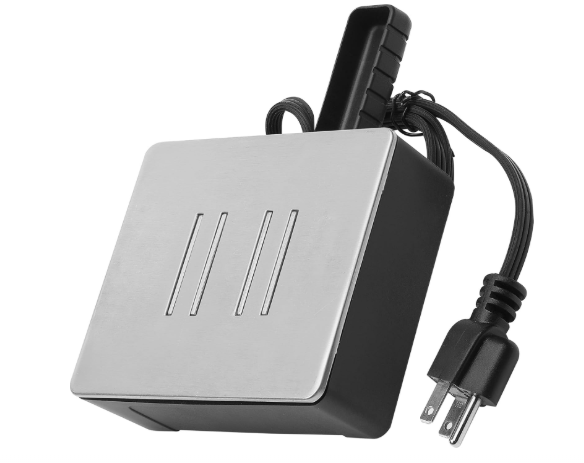
For equipment owners comparing higher-output magnetic heaters, the Orceed 1160X delivers 400W of heating power at 120V. Its built-in thermostat automatically switches the heater off at 266°F and resumes operation when the temperature drops to 140°F. The product also includes a magnetic base and heat-resistant handle for positioning and handling the unit.
The manufacturer lists tractors, snow blowers, generators, motorcycles, oil pans, transmissions, and hydraulic systems among its intended applications. This broad range makes it worth examining for compatible agricultural equipment, particularly when localized surface heating is the main requirement.
Practical Impressions: Supplied customer feedback includes positive comments about warming oil and helping diesel tractors start in cold weather. However, one customer reported an early unit failure, and other feedback mentions weak magnetic attachment.
Standout Features:
- 400W electrical heating power
- 120V operating voltage
- 266°F automatic cutoff
- 140°F automatic restart
- Heat-resistant handle
Main Advantages:
- Higher-output localized heating
- Automatic thermostat regulation
- Tool-free magnetic attachment
- Multiple equipment applications
Suitable Applications:
- Compatible tractor oil pans
- Diesel engine surfaces
- Suitable transmission housings
- Approved hydraulic components
Important Consideration: The supplied listing does not specify the power cord length. Check the mounting area and electrical requirements before purchase. This magnetic heater is not suitable for direct attachment to nonmagnetic aluminum surfaces.
4. Enhon 1155X 200W Magnetic Oil Pan Heater
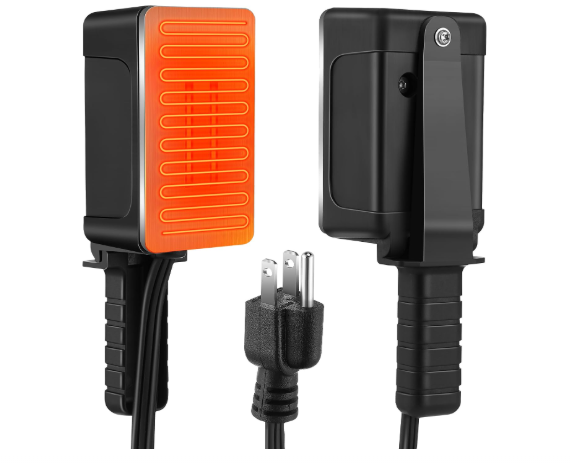
Compact equipment owners may appreciate the Enhon 1155X 200W magnetic heater, which is designed for smaller oil systems holding approximately two to five quarts. Its product description states that it can warm engine oil to approximately 135°F. The model also includes a 43-inch power cord, magnetic mounting base, and built-in thermostat control for localized heating.
Its smaller intended application makes it relevant to snow blowers, chainsaws, snowmobiles, and compatible tractors. The product listing also identifies steel oil pans, engine blocks, and battery holders as potential mounting locations. This is a more focused option for smaller equipment than a high-output heater intended for broader surface-heating applications.
Practical Impressions: Supplied customer feedback mentions easier cold starts on older tractors and useful warming for skid steers. Some users also report limitations in very cold conditions, while others warn that the heating plate becomes hot quickly.
Standout Features:
- 200W heating element
- Approximate 135°F oil temperature
- 43-inch power cord
- Built-in thermostat control
- Compact magnetic mounting design
Main Advantages:
- Designed for smaller oil systems
- No drilling or permanent mounting
- Useful for compact equipment
- Flexible cord for positioning
Suitable Applications:
- Two-to-five-quart oil systems
- Compatible small tractors
- Snow blowers and chainsaws
- Suitable steel engine surfaces
- Approved hydraulic components
Important Consideration: Its intended two-to-five-quart application limits its suitability for larger diesel engines. The heating plate becomes hot during operation, so avoid touching it while powered and follow the manufacturer’s installation and operating instructions.
When A Magnetic Block Heater Is The Wrong Choice
Magnetic heaters are convenient, but they are not universal engine preheaters. If your vehicle has an aluminum oil pan or an aluminum mounting surface, a conventional magnetic model will not attach directly.
They may also disappoint owners of large diesel engines that need substantial whole-engine warming. A small external heater concentrates warmth around one contact area rather than circulating heated coolant throughout the engine.
For equipment that operates regularly in severe cold, an engine-specific coolant heater, frost-plug heater, or circulating preheater may be a better solution. These systems can provide more direct heating of the engine coolant, although they require compatible installation and more planning.
Another reason to skip a magnetic model is an unsuitable mounting position. If you cannot keep the heater away from hot exhaust parts, moving components, or materials sensitive to heat, do not force an installation.
Owners who need a permanently installed heating system should also compare hard-mounted options. A removable magnetic heater is most useful when portability and occasional localized warming are more important than comprehensive engine preheating.
How To Use A Magnetic Engine Heater Safely
Using a magnetic heater correctly starts before you connect it to electricity. The engine should be off, the mounting surface should be clean and suitable, and the heater should be positioned according to its own instructions.
- Inspect the equipment. Check the heater, plug, insulation, and power cord for visible damage.
- Prepare the surface. Clean away dirt, oil, and grease from the approved mounting area.
- Check magnetic contact. Make sure the base attaches securely to the intended ferrous surface.
- Position the cord. Keep it away from sharp edges, exhaust parts, moving components, and places where it could become pinched.
- Connect the power. Use the voltage and grounded electrical supply specified by the manufacturer.
- Monitor operation. Follow the stated operating instructions and check for unusual heat, odors, smoke, or electrical problems.
- Disconnect before handling. Unplug the heater and allow it to cool before removing or repositioning it.
Many magnetic heaters have very hot contact surfaces. Never touch the heating plate during operation, and keep children, pets, and combustible materials away from the equipment.
What Engine Heater Safety Checks Matter Before Plugging In
A thermostat is an important protective feature, but it should not be treated as permission to ignore the manufacturer’s instructions. It controls temperature under its intended operating conditions and cannot correct poor placement, damaged wiring, or an unsuitable mounting surface.
Inspect the power cable regularly, especially before winter. Cracked insulation, exposed conductors, loose plugs, and corroded connections are reasons to stop using the heater until the problem is corrected.
Use an appropriately rated, grounded electrical supply. If an extension cord is required, choose one specifically rated for outdoor use and the heater’s electrical load. Keep electrical connections dry and avoid improvised adapters or damaged cords.
Do not assume that a magnetic heater designed for indoor use is suitable for exposure to rain, snow, or outdoor moisture. Some product instructions explicitly restrict indoor use, so check the exact model documentation rather than relying on a broad product description.
For additional guidance, consult Ford’s engine heater precautions and the block heater cord safety guidance from Manitoba Public Insurance.
Which Diesel Engines Suit Magnetic Tractor Heaters Best
Small diesel tractors and compact agricultural machines can benefit from localized preheating when cold oil makes starting more difficult. A magnetic heater can be useful when the engine has a suitable steel or cast-iron mounting surface and the manufacturer approves the application.
For a compact tractor, a 200W unit may be worth considering if the intended oil pan or engine surface is compatible. Owners should still account for the engine’s size, storage conditions, and how long the machine remains exposed to low temperatures.
Larger diesel tractors, loaders, and commercial equipment may need a different heating approach. A 400W magnetic heater offers more output than a 200W model, but it still provides localized surface heating rather than the comprehensive warming of an appropriately sized coolant heater.
Magnetic heaters can also be useful for some trucks, generators, snow blowers, and other small engines. The deciding factor is not simply whether a listing mentions a vehicle category; it is whether the actual mounting material, heater capacity, and operating instructions match your equipment.
Do not overlook the battery when diagnosing difficult diesel starts. A warmer oil pan cannot repair a weak battery, faulty glow plugs, poor fuel delivery, or an existing engine problem.
Other Uses For A Magnetic Block Heater
Some magnetic heaters are designed for more than engine oil pans. Depending on the manufacturer’s approved applications, they may be used to warm compatible transmission housings, hydraulic components, battery brackets, or other metal parts.
- Small generators: Localized warming may help prepare compatible engine components before a cold start.
- Snow blowers: A suitable mounting surface can make a magnetic heater useful for seasonal equipment.
- Hydraulic systems: Certain approved applications can help warm a compatible metal housing or component.
- Transmission housings: A suitable external metal surface may allow localized preheating.
These uses are not interchangeable. A heater approved for an oil pan is not automatically suitable for every battery, hydraulic line, fuel component, or transmission. Check the product instructions and the equipment manufacturer’s requirements before using it outside its primary application.
If you also need to warm the workspace where you maintain equipment, consider a fan heater for workshop warmth or an oil-filled radiator for steady room heating. These are separate space-heating solutions, not substitutes for engine preheating.
Common Magnetic Engine Heater Mistakes To Avoid
- Choosing by wattage alone: A higher output does not compensate for incompatible materials or poor placement.
- Mounting on aluminum: A standard magnetic base needs a surface that attracts a magnet.
- Ignoring surface preparation: Oil, grease, and dirt can interfere with proper contact.
- Leaving the cord exposed: Poor cable routing can lead to abrasion, pinching, or contact with hot components.
- Assuming every model is weatherproof: Indoor-use restrictions and moisture limitations must be respected.
- Touching the heater while hot: The heating surface can cause serious burns.
- Starting the engine with a removable heater attached: Disconnect and remove it before operation unless the manufacturer specifically approves a secure permanent installation.
- Expecting it to repair starting problems: A magnetic heater cannot fix battery, fuel-system, glow-plug, or mechanical faults.
How We Selected These Magnetic Engine Heater Options
The selection focuses on the four supplied models rather than treating every similarly named heater as an identical product. We considered the listed wattage, voltage, physical dimensions, thermostat information, mounting design, intended applications, and available owner feedback.
Based on the supplied listings, the four options span 200W and 400W designs, with built-in thermostats described across all four models.
We also considered the practical differences between compact magnetic heaters and higher-output units. A product’s broad compatibility claims do not establish that it will fit every engine, oil pan, tractor, or diesel application.
Owner feedback can help identify recurring concerns, including magnet strength, heating performance, cord length, and reliability. However, reviews are individual experiences rather than controlled performance tests, so they should be considered alongside the manufacturer’s specifications.
No hands-on testing is claimed for this selection. The most important consideration remains whether a particular heater is approved for your equipment and can be installed and operated safely.
Frequently Asked Questions
Can An Engine Block Heater For Tractor Use Work On Small Generators?
Some magnetic engine heaters can also be used on compatible generators, provided the mounting surface attracts a magnet and the manufacturer approves the application. Check the generator’s oil pan material, available clearance, and cord routing before installation. A compact generator may not need the same heating capacity as a larger tractor. Also, confirm that the heater does not interfere with the generator’s ventilation, fuel system, or moving components.
Do Magnetic Block Heaters For Diesel Engines Affect Oil Viscosity?
Heating engine oil can reduce its viscosity temporarily, making it less resistant to movement during a cold start. However, the actual benefit depends on how much oil is warmed and how evenly heat transfers through the engine. A localized magnetic heater does not change the oil’s specified grade or replace seasonal maintenance. Continue using the oil viscosity recommended in your engine’s owner’s manual.
Can I Run A 120V Magnetic Block Heater From An Inverter?
Potentially, but the inverter must provide the correct AC output, sufficient continuous wattage, and an appropriate electrical safety arrangement. A 200W heater and a 400W heater place different demands on an inverter and its battery. Check the heater’s electrical label and the inverter manufacturer’s instructions before connecting them. Never assume that a vehicle’s ordinary accessory outlet can safely power a household-voltage heater.
Will A Magnetic Block Heater Fix A Diesel Engine That Will Not Start?
No. It can provide localized warmth to a compatible engine component, but difficult starting may have several other causes. A weak battery, faulty glow plugs, fuel-filter restriction, air entering the fuel system, or incorrect winter fuel can all contribute to starting problems. If the engine continues to struggle after appropriate preheating, investigate the underlying fault rather than increasing heater wattage without a diagnosis.
Can I Leave A Magnetic Heater Attached While Operating Equipment?
Do not assume that a removable magnetic heater can remain attached while the engine is running or equipment is moving. Vibration, movement, heat, and cable contact can create hazards or damage the unit. Follow the exact manufacturer’s instructions, and remove the heater before starting unless its documentation specifically approves a properly secured permanent installation. Disconnect the power before handling the heater, and allow the heating surface to cool.
How Can I Check Whether A Magnetic Engine Block Heater Is Working?
Begin by checking the power connection, cable condition, and thermostat instructions. If the manufacturer permits temperature checks, use a suitable non-contact thermometer to observe the temperature change at the intended mounting area. Compare readings under similar conditions rather than relying on the heater’s surface temperature alone. If there is no expected temperature change, or you notice unusual odors, smoke, or electrical heating, disconnect the unit and stop using it.
Choosing A Sensible Cold Start Setup
A compact 200W magnetic heater is worth considering for smaller engines and compatible oil pans, while a 400W model may suit applications requiring greater localized heating capacity. Tractor and diesel owners with larger engines or severe cold-weather demands should compare engine-specific coolant heating systems as well. Magnetic heaters have important material, placement, and weather limitations. The sensible choice is the model that matches your actual engine, mounting surface, electrical supply, and manufacturer’s operating instructions.