Disclosure: As an Amazon Associate, I earn from qualifying purchases. Learn more
Last Updated on November 13, 2026 by Mark Jase
When the grid goes quiet, one small flame can steady a whole room. For most homes, the Dietz 76 Original Oil Lantern is the simplest one to keep ready, the Feuerhand 276 Storm Lantern suits wet porches and windy nights, and the Dietz 80 Blizzard Oil Lantern covers the longest stretches without a refill.
Picture a storm knocking out the power after dinner. You need light you can carry from the kitchen to the hallway, fuel you can store until the next outage, and a lantern that will not crack or tip the moment someone bumps the table. That is when burn time, globe strength, and safe indoor use matter far more than looks.
Below are six oil lanterns and tabletop lamps, plus clear advice on fuel, lighting, and safety. If you also need heat without electricity, plan it separately.
The Dietz 76 Original Oil Lantern gives an 11-hour burn and a classic hanging handle for everyday outage backup, while the Feuerhand 276 Storm Lantern adds a heat-resistant globe for rain and snow.
For Everyday Backup
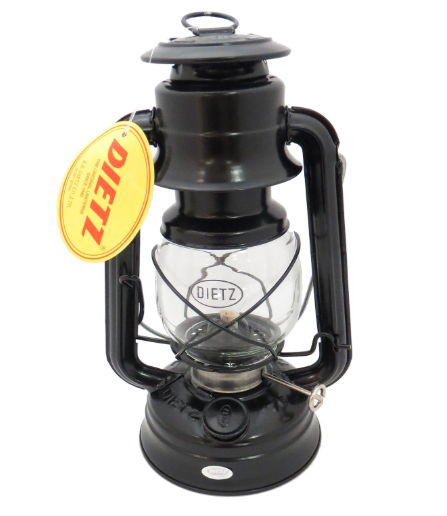
Dietz 76 Original Oil Lantern
- Burns 11 hours on 8 ounces
- 7 candlepower output
- Globe, burner, and wick included
For Wet Weather Use
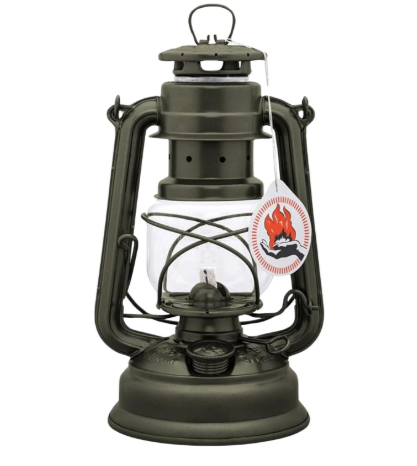
Feuerhand 276 Storm Lantern
- Up to 20 hours per fill
- Heat-resistant SUPRAX globe
- Made in Germany
Why oil lanterns still earn a spot in outage kits
An oil lantern does not care how long the power stays off. As long as you have fuel and a trimmed wick, it keeps giving light, which makes it a useful second layer behind flashlights and battery lanterns.
The warm, wide glow also lights a room more evenly than a narrow flashlight beam. That helps when you are cooking a simple meal, playing a card game with the kids, or sitting up during a long storm.
Fuel is the other big advantage. Sealed lamp oil or kerosene keeps well in a cool, dry spot, so you are not stuck hunting for the right battery size the night the lights go out.
There are honest trade-offs. An open flame needs supervision, a little ventilation, and a stable surface, and it gives far less light than a modern LED lantern. Treat an oil lantern as dependable backup lighting, not your only plan.
How we narrowed down these oil lanterns
Every lantern below runs on liquid fuel and a wick. We left out battery models dressed up to look like oil lanterns, because they solve a different problem.
From there, we looked at listed burn time and tank size, globe design, how easy each one is to hang or carry, and whether the maker states the fuel it was built for. Brand track record and steady availability mattered too, since a lantern you cannot replace parts for is a weak long-term choice.
We also mixed sizes and styles on purpose. A compact hanging lantern, a large long-burn model, a budget pick, and a tabletop pair each fit a different home and a different kind of outage.
Best oil lanterns for a power outage reviewed
1. Dietz 76 Original Oil Lantern for Everyday Outage Backup
If you want one lantern that simply works, this is the classic shape most people picture. It stands about 10 inches tall, burns for 11 hours on 8 ounces of fuel, and puts out 7 candlepower through a 1/2 inch wick.
The globe, burner, and wick strip come in the box, so it is ready once you add fuel. If you have been comparing Dietz lamps, this is the model the brand calls its original design.
Real-Use Fit: A sensible size for hanging in a kitchen or carrying down a hallway. It also doubles as camp lighting between outages.
What Sets It Apart:
- Original Dietz hurricane design
- Complete with globe, burner, and wick
Core Strengths:
- A full evening of light per fill
- Compact enough for a shelf or closet
- Easy to hang from its handle
Suited To:
- Standard 1/2 inch flat lantern wicks
- Home outage kits and camping trips
Before You Choose: The 8 ounce tank means refilling every night during a long outage. The metal frame gets hot, so let it cool before touching or refueling.
2. Feuerhand 276 Storm Lantern With All-Weather Glass Globe
Built in Germany, this storm lantern is made for weather. Its thermal heat-resistant SUPRAX globe is designed not to crack when rain or snow hits it, and the burner is shaped to limit flickering and soot.
A full tank gives up to 20 hours of 3.5 candlepower light from a lantern about 10 inches high. If you want one of the Feuerhand galvanized oil lanterns specifically, this green model carries that galvanized storm-lantern finish.
Real-Use Fit: Ideal for a covered porch, balcony, or backyard check during a storm, then back inside as a low, steady night light.
What Sets It Apart:
- Globe built to handle rain and snow
- Burner designed against flicker and soot
- Galvanized, weather-resistant body
Core Strengths:
- Long run time between refills
- Stays usable outdoors in rough weather
- Cleaner flame means less globe scrubbing
Suited To:
- Patios, balconies, and campgrounds
- Emergency lighting kits
Before You Choose: At 3.5 candlepower it is the dimmest lantern here, better for ambient light than for reading. Expect to pair it with a brighter source for detailed tasks.
3. Lamplight Farmer’s Oil Lantern for Small Indoor Spaces
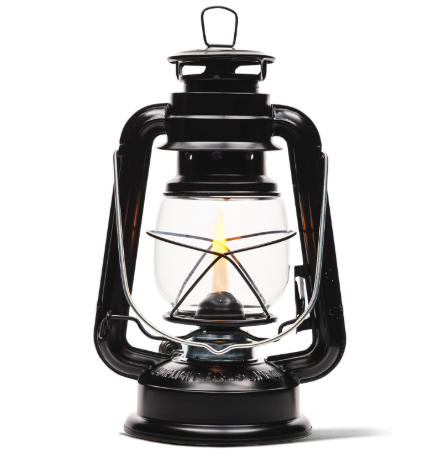
Small rooms and tight budgets are where this one shines. The sturdy metal frame has a matte black finish and a durable glass globe, and the whole lantern weighs just 6.2 ounces.
It holds 5 ounces of fuel and burns up to 12 hours. Sold as an indoor model, it is a sensible candidate if you want the best indoor oil lamp for a side table, kitchen counter, or bedroom dresser.
Real-Use Fit: Light enough to move from room to room, and small enough to keep two or three tucked in a closet.
What Sets It Apart:
- Replica of old-fashioned kerosene lanterns
- Very light 6.2 ounce build
Core Strengths:
- Easy to store several at once
- Good overnight run time for its size
- Fits small tables and shelves
Suited To:
- Cabins, cottages, and campsites
- Indoor power outage backup
Before You Choose: Its light weight makes it easier to knock over than heavier lanterns. Set it on a flat surface well away from curtains, pets, and young children.
4. Dietz 80 Blizzard Oil Lantern for Long Blackouts
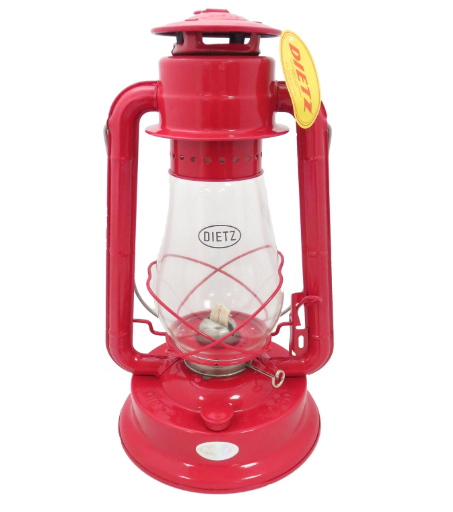
Multi-day outages call for a bigger tank, and this is the heavy hitter of the group. It burns 26 hours on 31 ounces of fuel and delivers 12 candlepower, the brightest listed output here.
At 14 3/4 inches tall with a 7/8 inch wick, it lights a living room or shared space far better than the smaller lanterns. One fill can cover two full evenings.
Real-Use Fit: Best as the main lantern in the room where everyone gathers, with smaller lights handling hallways and bathrooms.
What Sets It Apart:
- Largest tank and longest listed burn
- Highest candlepower in this guide
Core Strengths:
- Fewer refills during multi-day outages
- Lights a larger shared room
- Wide wick for a stronger flame
Suited To:
- Standard 7/8 inch flat wicks
- Camping and emergency use
Before You Choose: It is tall and uses more fuel per fill, so plan storage space and fuel supply. Not ideal if you only need a small bedside light.
5. Stansport Hurricane Kerosene Lantern for Budget Emergency Kits
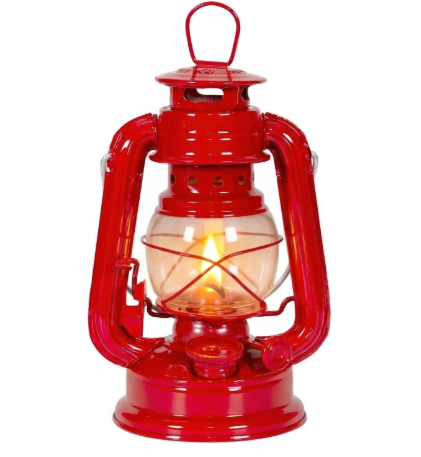
Stocking several rooms on a modest budget is easier with a simple lantern like this. The 8 inch metal body has a red finish, and a protective wire guard surrounds the glass globe.
A control knob adjusts the wick so you can raise or lower the flame, and a metal bail handle with a hanging loop makes it easy to carry. It shares the classic layout of most hurricane kerosene lamps, and the maker recommends kerosene or standard lamp oil.
Real-Use Fit: Handy as a spare for a garage, mudroom, or second floor, so every part of the house has a light.
What Sets It Apart:
- Wire guard around the glass globe
- Bail handle plus hanging loop
Core Strengths:
- Adjustable flame for brighter or softer light
- Small and light to carry
- Easy to buy more than one
Suited To:
- Kerosene or standard lamp oil
- Camping, backyard, and indoor decor
Before You Choose: No burn time is listed, and the small body means a small tank. Do not overfill it, as the maker warns, and expect simpler build quality than the premium brands.
6. Tuanse Glass Oil Lamp Set for Tabletop Light
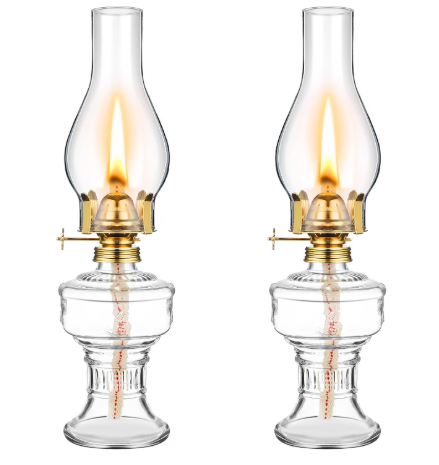
Two lamps in one box let you light the kitchen and living room at the same time. Each clear glass and metal lamp stands about 13 inches tall and 4.7 inches wide, sized to fit a table, desk, or shelf.
A metal flame controller raises or lowers the wick with a simple turn. If you are shopping for the best indoor oil lamps to set on furniture rather than hang, this tabletop pair fits that role. Oil is not included.
Real-Use Fit: Works well as steady room lighting on a dining table, where the clear base also shows how much fuel is left.
What Sets It Apart:
- Two lamps in one set
- Clear glass shows the fuel level
Core Strengths:
- Covers two rooms at once
- Simple knob for flame control
- Decor-friendly look between outages
Suited To:
- Kerosene or standard lamp oil
- Tables, desks, and shelves
Before You Choose: Glass bases can break if dropped, and there is no wire guard or carry handle. Keep these on stable furniture, out of reach of children and pets.
Hurricane lantern or tabletop oil lamp at home
Both styles burn the same kinds of fuel, but they are built for different jobs. A hurricane lantern has a metal frame, a protected globe, and a handle, so it can hang, travel, and handle a draft. A tabletop oil lamp sits on furniture and gives a calm, even light to one room.
| Feature | Hurricane lantern | Tabletop oil lamp |
|---|---|---|
| Wind resistance | Good, globe is shielded | Low, best kept indoors |
| Carrying | Easy with a bail handle | Awkward, mostly stays put |
| Breakage risk | Lower, metal fuel tank | Higher with glass bases |
| Best spot | Hooks, porches, hallways | Dining and side tables |
| Look between outages | Rustic and practical | Decorative |
Most homes do well with one of each. Hang a hurricane lantern where people move around, and keep a tabletop lamp where everyone sits.
What kind of oil works best in a lantern
Flat-wick lanterns are made for thin fuels that climb the wick easily. The two common choices are clear paraffin lamp oil and 1-K grade kerosene. Always check your lantern’s manual first, since makers state which fuels they tested.
- Paraffin lamp oil: burns with little smell or smoke, which makes it the better pick indoors.
- Kerosene: usually brighter and cheaper per fill, but it carries more odor, so use it with good airflow.
- Citronella oil: made for outdoor torches and bug control, not for lanterns you burn inside.
- Gasoline, camp fuel, or alcohol: never use these in a wick lantern. They vaporize too fast and can flare or explode.
Stick with one fuel per lantern instead of mixing. If you notice a lingering kerosene smell after use, check for spills on the tank and switch to paraffin oil for indoor nights.
Burn time and fuel capacity in plain numbers
Burn time depends on three things you control: tank size, wick height, and fuel quality. A high flame drinks fuel fast and often smokes, while a moderate flame stretches every ounce.
Going by the listed specifications, the Dietz 76 runs about 11 hours on 8 ounces of fuel, while the larger Dietz 80 lists 26 hours on 31 ounces.
| Lantern | Listed burn time | Listed output |
|---|---|---|
| Dietz 76 Original | 11 hours on 8 oz | 7 candlepower |
| Feuerhand 276 | Up to 20 hours | 3.5 candlepower |
| Lamplight Farmer’s | Up to 12 hours on 5 oz | Not listed |
| Dietz 80 Blizzard | 26 hours on 31 oz | 12 candlepower |
A simple rule of thumb for planning: estimate how many hours of light you need each night, multiply by the days you want to cover, then store enough fuel for that total plus a margin for spills and higher flames.
Matching lantern brightness to the rooms you use
Oil lanterns are softer than LED lanterns, so think in terms of tasks. A low, warm glow is fine for sitting and talking, but reading, cooking, or checking a child’s medicine label needs more light.
Put your brightest lantern in the shared room, where the family gathers for dinner and games. Use smaller lanterns for hallways and bathrooms, where you only need enough light to move safely.
Height helps too. A lantern hung from a sturdy hook spreads light farther than one sitting low on a table, and it stays clear of elbows and pets.
For close work like sorting supplies, keep a headlamp or flashlight nearby. Mixing light sources gives you better visibility than pushing a wick too high and filling the room with smoke.
Lighting an oil lantern safely step by step
Lighting a wick lantern takes a minute once you have done it a few times. Practice before an outage so you are not learning in the dark.
- Set it on a level, non-flammable surface away from curtains, paper, and anything that could fall on it.
- Fill the tank about three-quarters full using a funnel, then wipe up any drips on the outside.
- Let a new wick soak for 15 to 30 minutes so fuel climbs all the way to the tip.
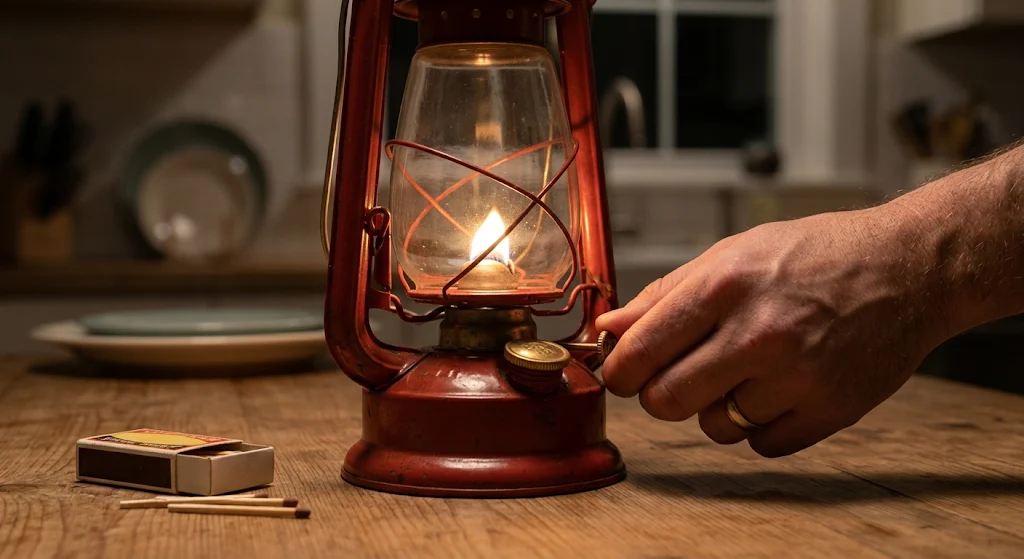
- Trim the wick flat and raise it so only a thin edge shows above the burner.
- Lift the globe using the lever or by hand, light the wick with a long match or lighter, then lower the globe gently.
- Adjust the flame until it burns steady with no black smoke, then leave it a little lower than the highest clean setting.
To put it out, turn the wick down until the flame goes out on its own. Avoid blowing hard down the chimney, which can push the flame and send soot into the globe.
Indoor safety rules for oil lamps during outages
An open flame inside your home deserves the same respect as a stove burner. A few habits keep the risk low.
- Never leave a lit lantern alone, and turn it off before you go to sleep.
- Keep at least a few feet of clearance above and around the flame, especially from curtains and shelves.
- Crack a window or keep a door open so the room gets fresh air while the lantern burns.
- Run working smoke and carbon monoxide alarms with battery backup on every level of the home.
- Keep a fire extinguisher where you can reach it quickly.
The federal power outage guidance suggests having a flashlight for each person in the household, so use those for walking around and let the lantern handle room light. Lanterns do not heat a home, so plan for heating safely indoors separately.
Safe storage for lamp oil, wicks, and globes
Good storage keeps your lantern ready and your household safe. Keep fuel in its original, tightly capped container, never in a drink bottle or jar, and store it up high in a cool, dry place away from heat sources.
Lamp oil can look like water or juice to a small child. Poison control advice on lamp oil stresses keeping it out of children’s reach and in its original container until you pour it into the lamp.
Before storing a lantern for months, empty the tank or top it up and close it as the manual directs, then wrap the globe in a towel. Keep spare wicks in the correct width and a spare globe in the same box, so one broken part does not take your light out of service.
Cleaning and trimming habits that keep soot away
Most smoke and soot comes from a wick that is too high or trimmed unevenly. A flat, even wick gives a clean, rounded flame.
Trim off the charred edge with sharp scissors whenever the flame starts to form points or smoke. Cutting the corners slightly can help the flame keep a smooth shape.
Wash a cool, sooty globe with warm soapy water, rinse it well, and let it dry completely before refitting it. Wipe the tank and frame with a dry cloth to remove fuel residue and dust.
Replace the wick once it gets too short to reach the fuel or stays crusty after trimming. A fresh wick costs little and makes the whole lantern burn better.
Common mistakes people make with oil lanterns
Small errors cause most lantern problems. Watch for these:
- Overfilling the tank: fuel expands as it warms and can seep out around the burner.
- Refueling a hot lantern: always let it cool fully before adding fuel.
- Turning the flame too high: it wastes fuel, blackens the globe, and can crack thin glass.
- Using the wrong fuel: torch fuel, gasoline, or mixed fuels can smoke heavily or flare.
- Forgetting a test run: a dried-out wick or missing globe is easy to fix in daylight and hard to fix in a blackout.
- Placing it low near traffic: kids, pets, and loose sleeves can tip a lantern on the floor or a coffee table.
When a battery lantern is the smarter choice
An oil lantern is not the right fit for every household. If you have toddlers, curious pets, or anyone who might forget a flame is burning, a battery or rechargeable LED lantern removes the fire risk entirely.
Battery lanterns also win for brightness, for bedrooms, and for anyone with breathing sensitivities who reacts to fuel odors. They can be left on overnight, which you should never do with a flame.
The strongest plan uses both. Keep LED lanterns and flashlights as your first line, and hold oil lanterns as the backup that keeps working after batteries run down. For longer outages, a solar generator backup can recharge LED lights and phones.
Oil lantern questions people often ask
What does candlepower mean on an oil lantern?
Candlepower is an older way to describe how intense a flame looks, based on a single standard candle. Higher numbers mean more light, so a 12 candlepower lantern is noticeably brighter than a 3.5 candlepower one. As a rough guide, one candlepower spread evenly in every direction works out to about 12.5 lumens, but real flames are uneven, so treat that only as a loose comparison with LED lantern ratings rather than an exact conversion.
Can you burn olive oil or vegetable oil in a hurricane lantern?
No. Hurricane lanterns use flat wicks that need thin fuel to climb several inches from the tank to the flame. Thick vegetable oils cannot travel up the wick fast enough, so they sputter, smoke, or go out. Olive oil only works in lamps designed for it, which use a very short wick sitting just above the oil. For a standard lantern, stay with paraffin lamp oil or kerosene as the maker recommends.
How long does lamp oil last in storage?
Sealed paraffin lamp oil keeps for a long time when stored in its original container, away from heat and sunlight. Kerosene can absorb moisture and pick up contaminants once opened, which may cause smoky, uneven burning. Write the purchase date on each bottle, rotate older fuel into regular use first, and check the label for any storage notes from the maker. If fuel looks cloudy or has debris, replace it.
Can an oil lantern help heat a room?
Not in any useful way. A wick lantern gives off a small amount of warmth near the globe, but nowhere near enough to raise the temperature of a cold room. Treating it as a heater encourages people to burn it higher, longer, and closer to bedding, which raises fire risk. Plan heat separately with appliances rated for indoor use, warm clothing, and blankets, and keep the lantern for light only.
Does wick size matter when buying replacements?
Yes, the wick must match the burner width exactly. A wick that is too narrow lets air and flame leak around it, while one that is too wide will not feed through the gears. Many lanterns list their size, such as 1/2 inch for the Dietz 76 and 7/8 inch for the Dietz 80. Measure your old wick or check the manual, then buy a few spares at once.
How many oil lanterns does one home need for an outage?
Start with one lantern for each room you will actually use after dark, usually the kitchen, the main living area, and one bathroom. Add a carry lantern for moving between rooms if you do not rely on flashlights. For each lantern, keep fuel for several nights plus spare wicks. Fewer lit flames are safer, so light only the rooms people are in and turn others off.
Picking the right flame for your next blackout
Oil lanterns make sense if you want light that keeps going after batteries fade, and you are comfortable watching an open flame. They are less suited to homes with toddlers, unsupervised pets, or anyone who needs bright task lighting through the night.
A simple decision rule helps: choose a hurricane lantern for rooms where you move around, a tabletop lamp for rooms where you sit, and a large-tank model if outages in your area often last more than a day. Keep flashlights or LED lanterns as your first light either way.
For a dependable, easy-to-store starting point, the Dietz 76 Original Oil Lantern is the one we would place in most outage kits first.